
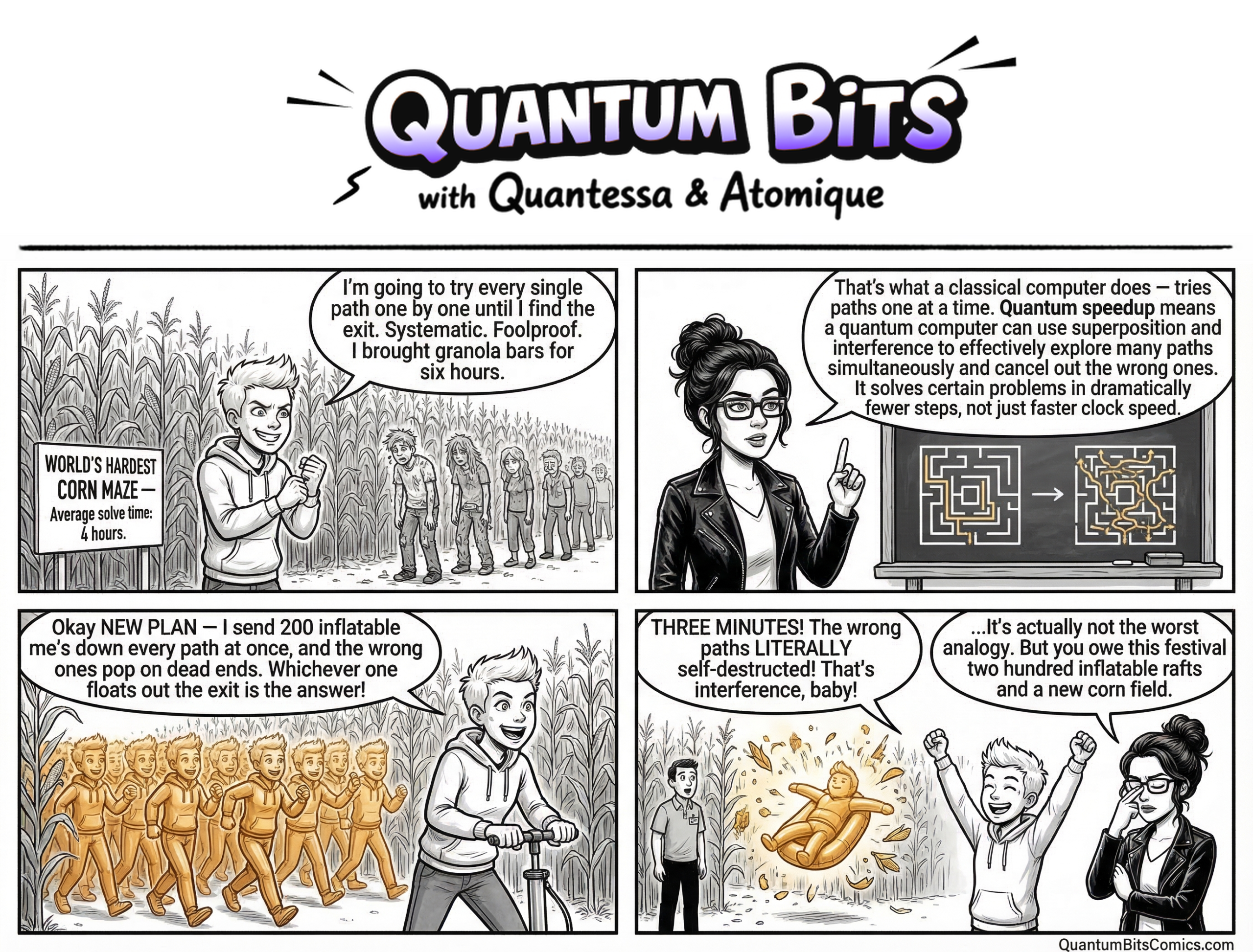
Quantum computing is not a faster version of classical computing. If you could run a standard word processor or web browser on a quantum machine, it would likely run slower than it does on your smartphone. The concept of quantum
Read More
Author: QubitGuy
Quantum Sensing
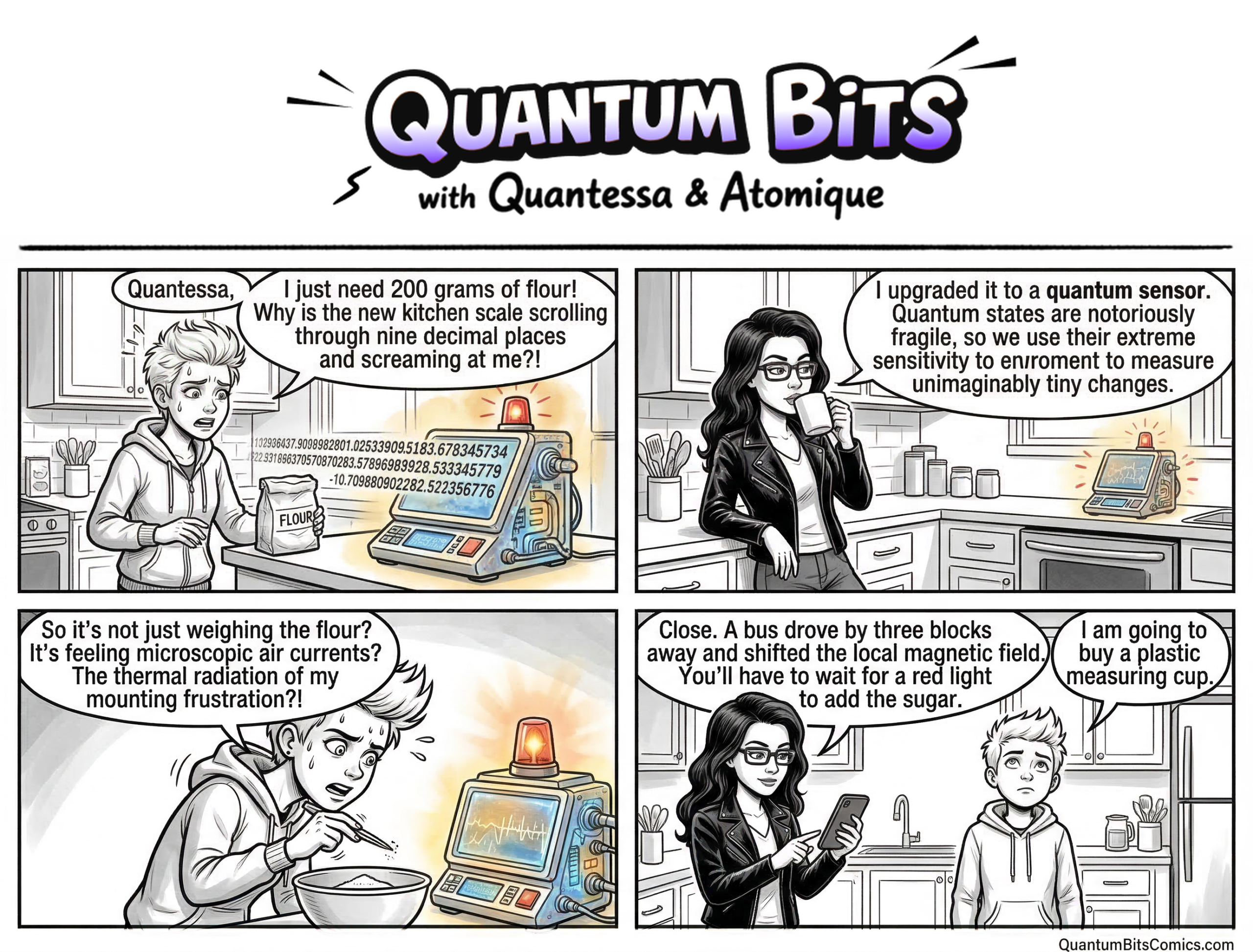
The same fragility that makes quantum computing so difficult to build makes quantum systems extraordinarily useful as sensors. A qubit is sensitive to everything around it: magnetic fields, electric fields, temperature, pressure, gravity, rotation. In a quantum computer, this sensitivity
Read More
Qiskit
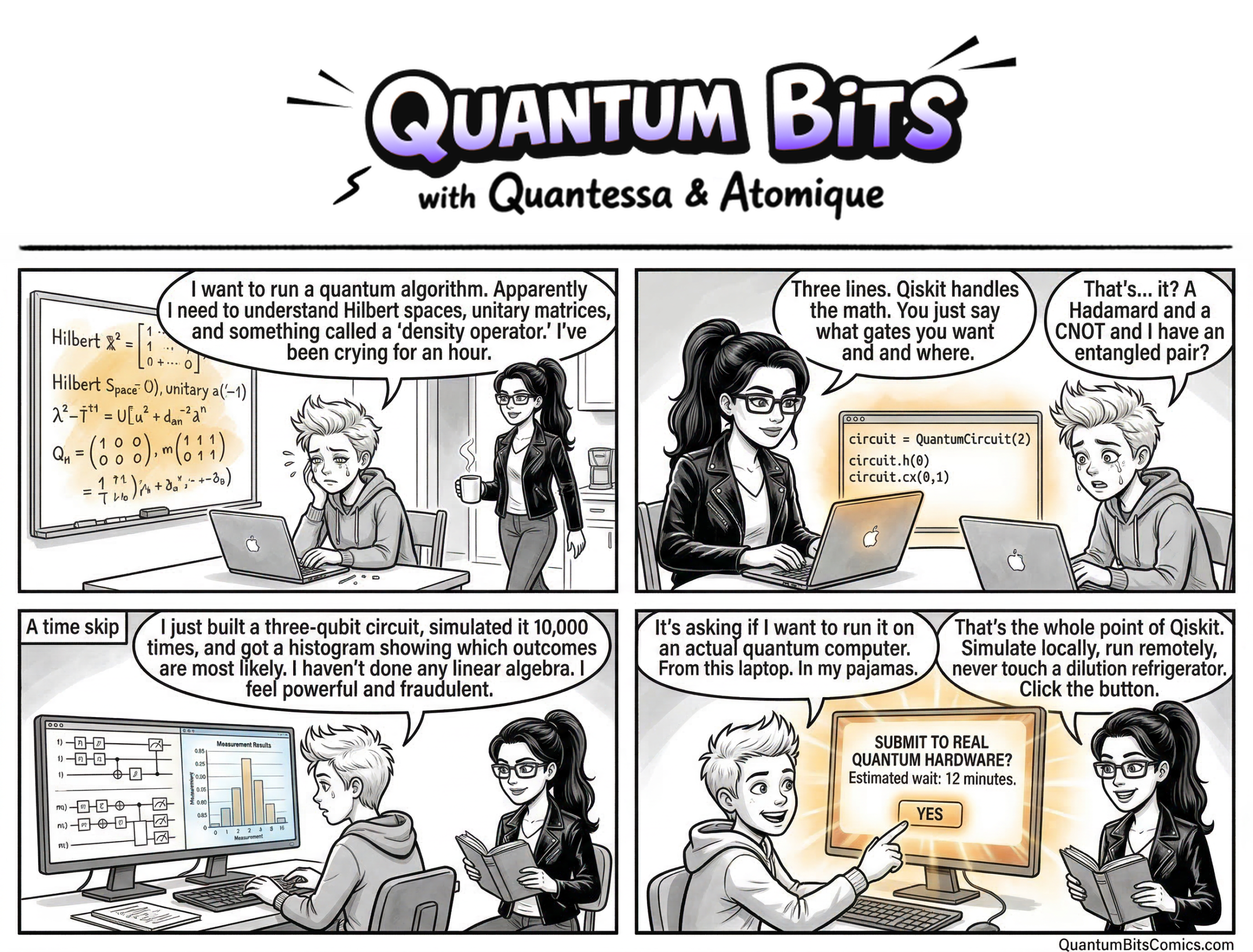
Qiskit is an open-source quantum software development kit created by IBM. It is the most widely used framework for writing, compiling, and executing quantum programs, and it has become the default entry point for much of the quantum computing community.
Read More
Surface Codes
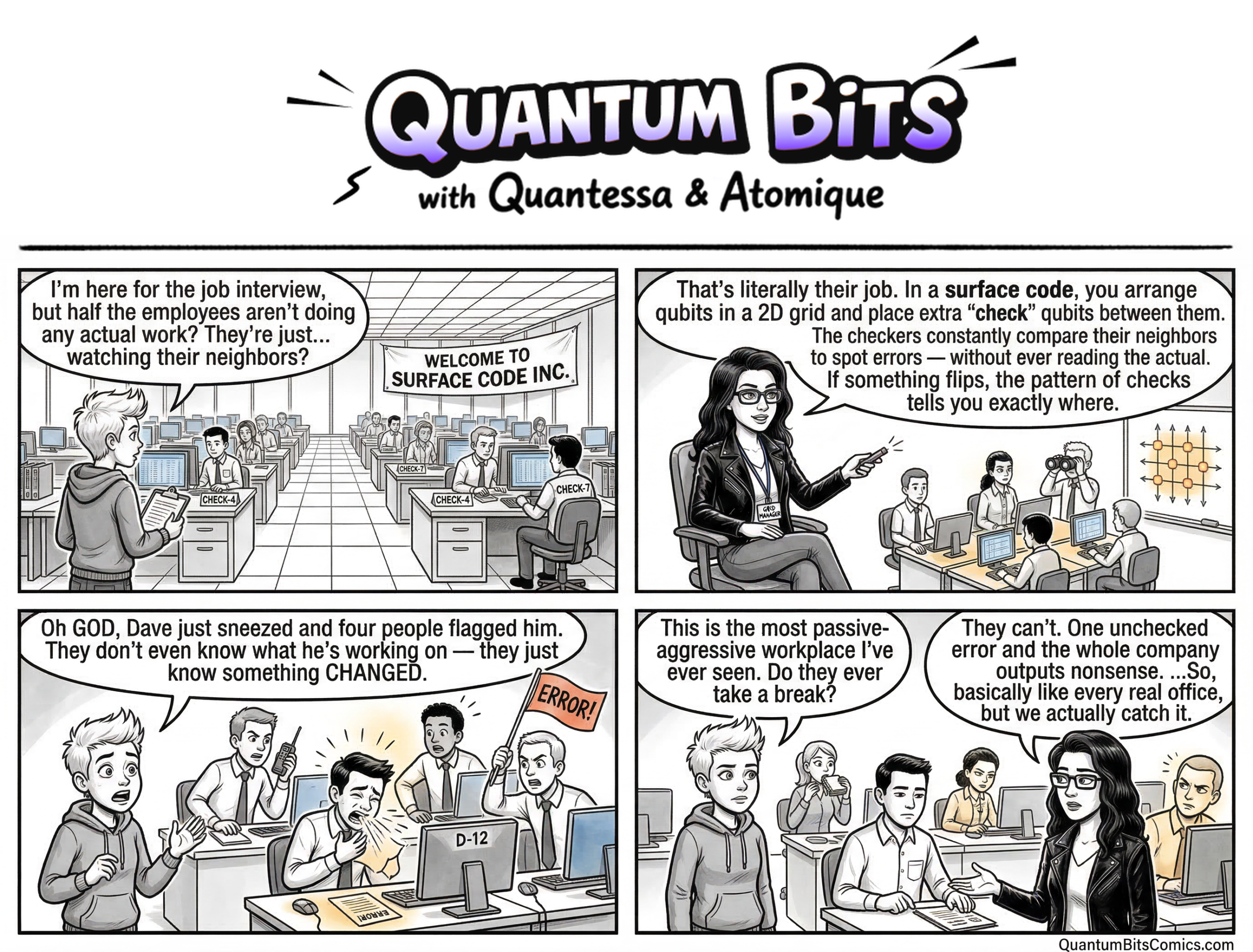
The surface code is the most widely studied quantum error correction scheme, and for good reason: it has a high error threshold (approximately 1% for standard noise models), meaning it can tolerate relatively noisy physical qubits compared to other codes.
Read More
Fault Tolerant Computing
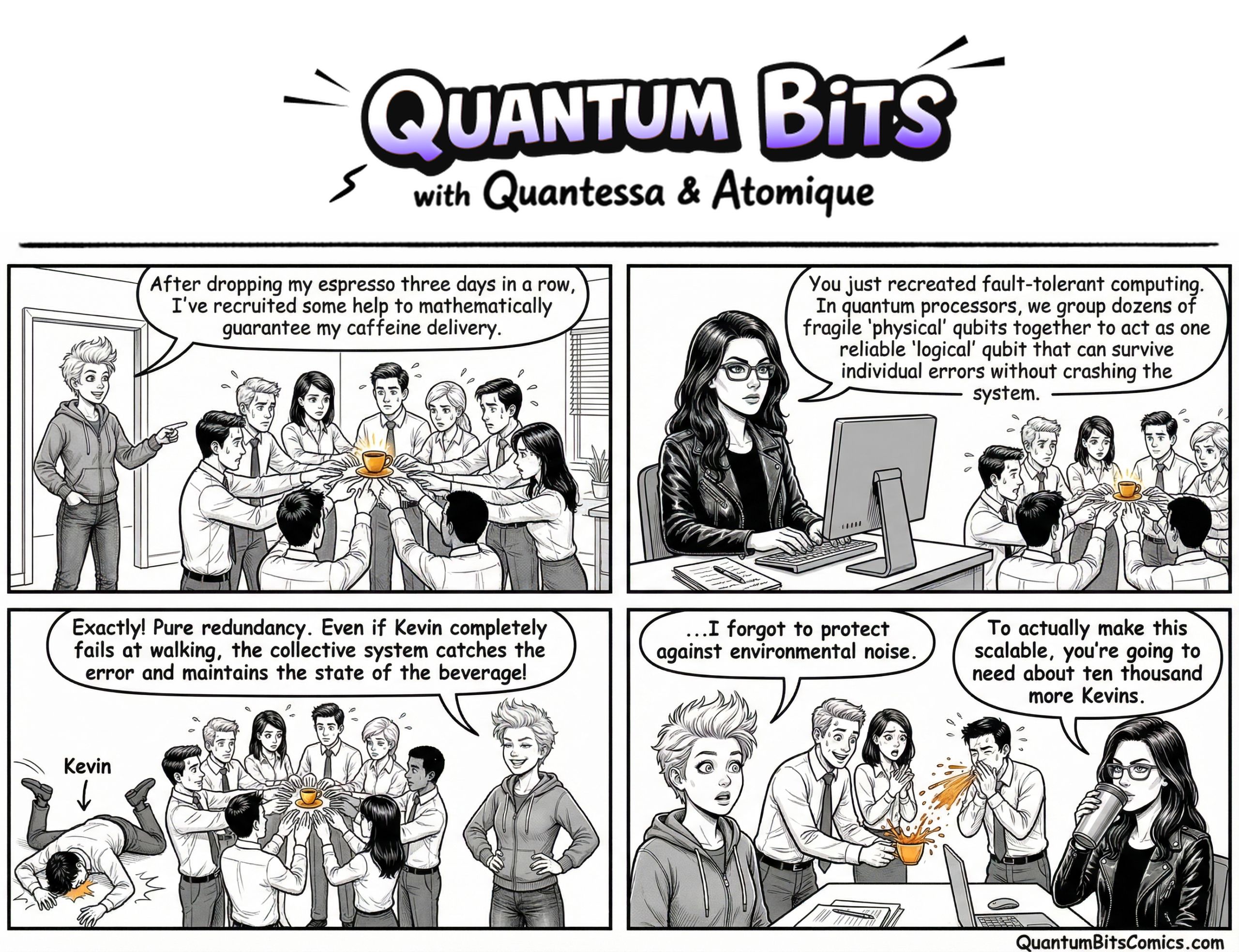
A fault-tolerant quantum computer is a machine that can perform arbitrarily long calculations even though its underlying components are unreliable. In a classical computer, transistors rarely fail, but quantum bits are entirely different. Regardless of the underlying hardware platform, physical
Read More
Laser Cooling
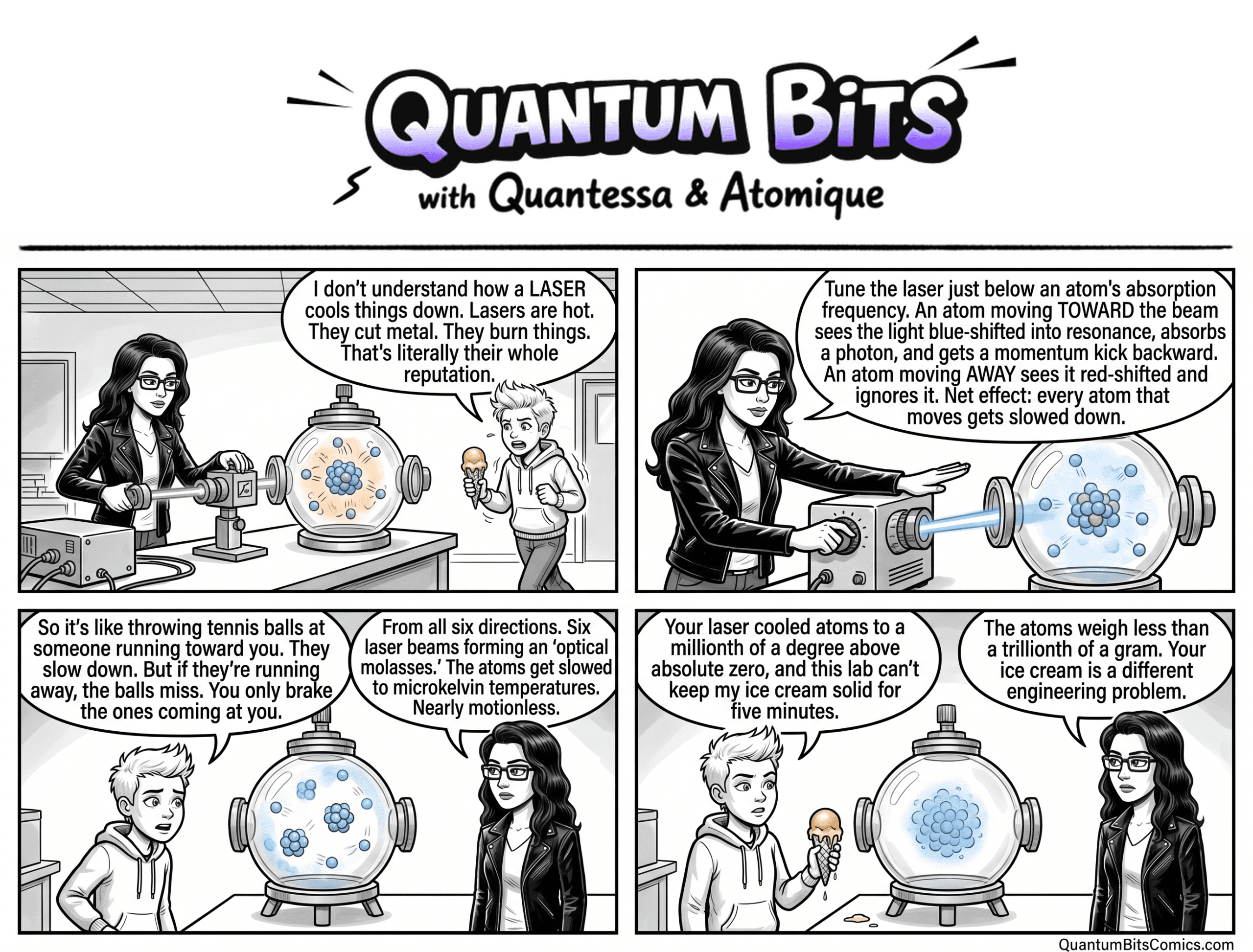
Atoms at room temperature move at hundreds of meters per second, far too fast to serve as qubits. To use individual atoms for quantum computing, scientists must slow them almost to a standstill. Laser cooling is the primary technique for
Read More
Quantum Key Distribution
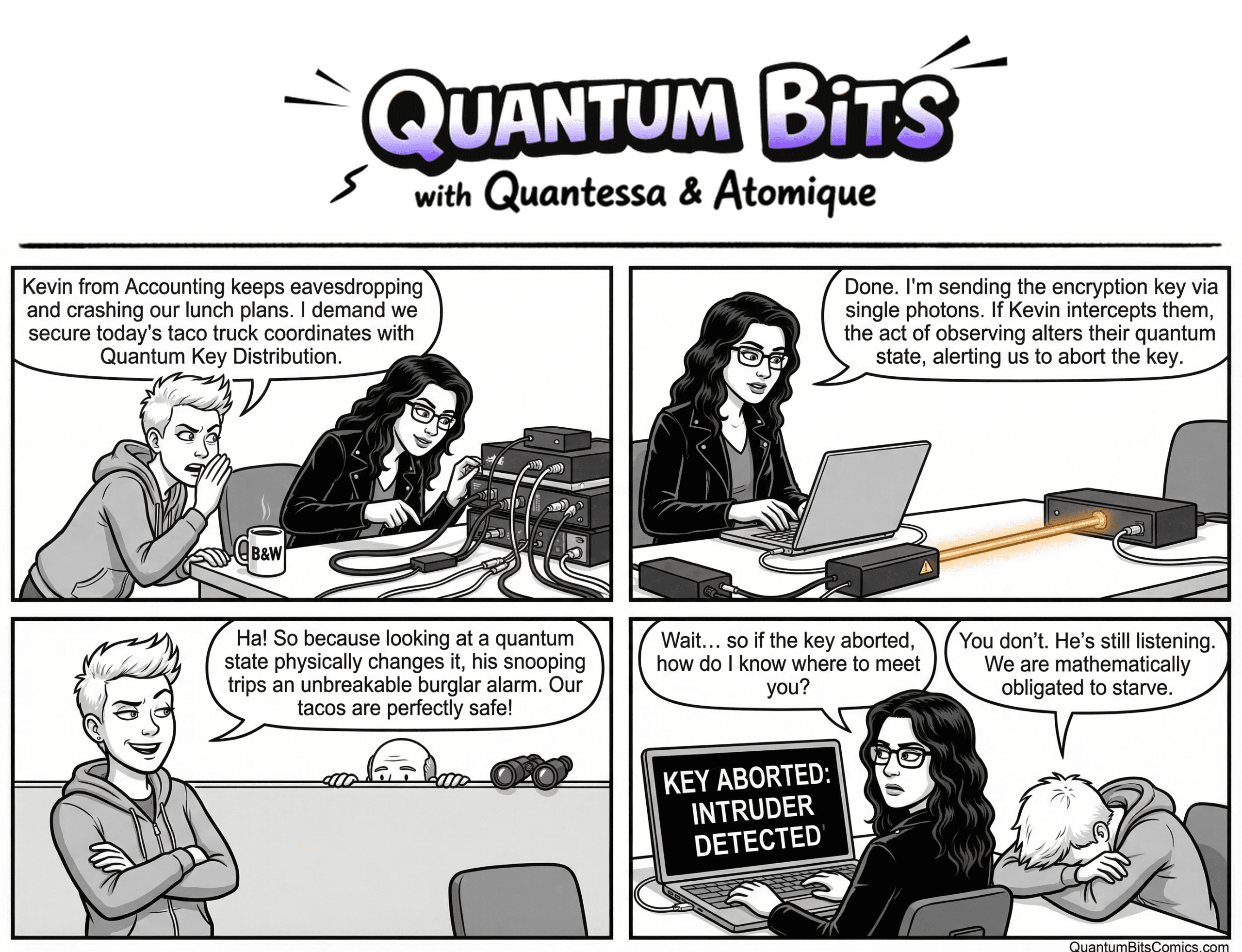
Quantum Key Distribution (QKD) is the most mature application of quantum cryptography. It solves a specific problem: allowing two parties to generate a shared secret key with a guarantee, based on physics, that no eavesdropper has a copy. The best-known
Read More
Y2Q
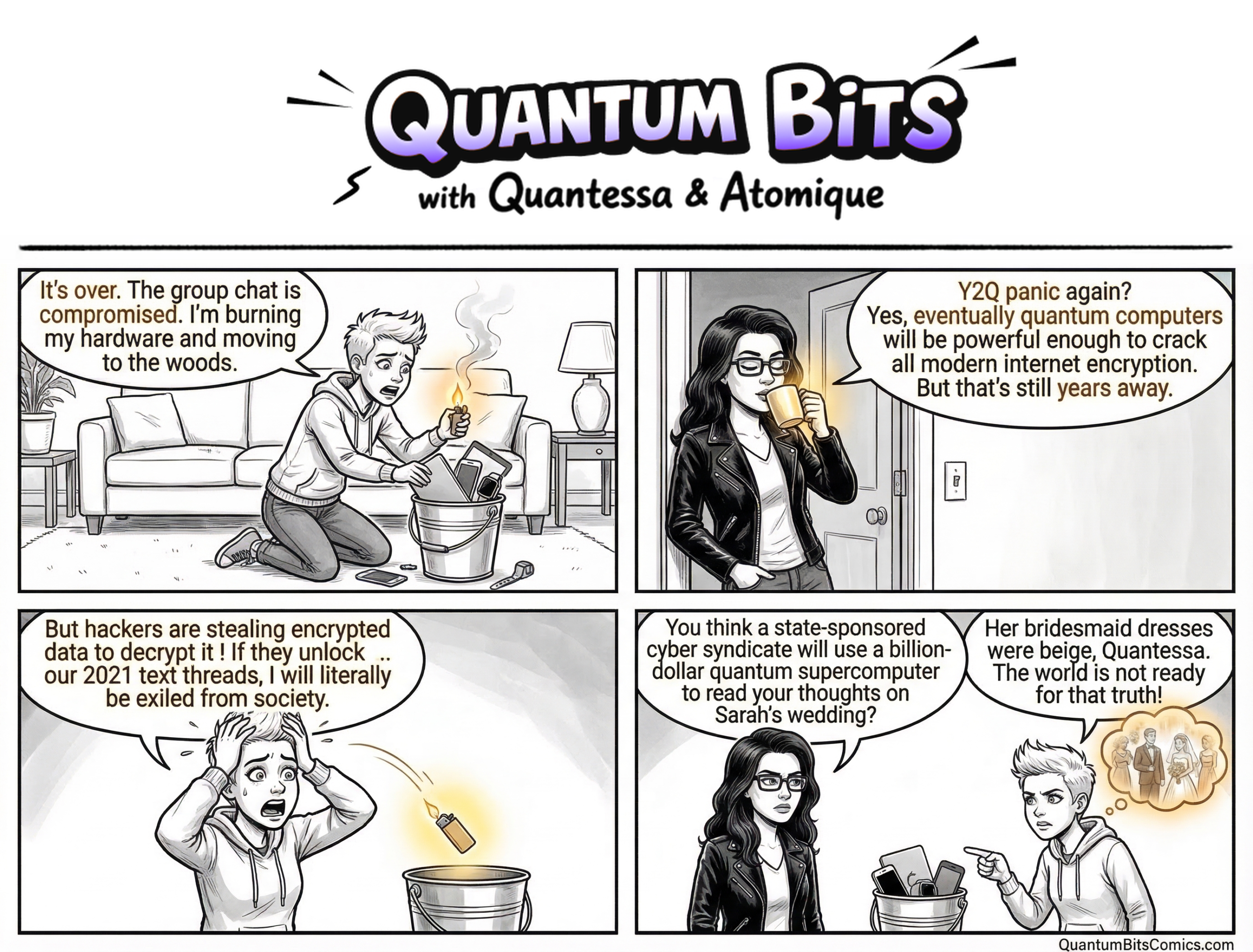
Y2Q, “Years to Quantum,” refers to the estimated time remaining before a quantum computer capable of breaking widely deployed public-key cryptography becomes operational. It is a planning horizon, not a fixed date, and it drives urgency across government, finance, and
Read More
Quantum Phase Estimation
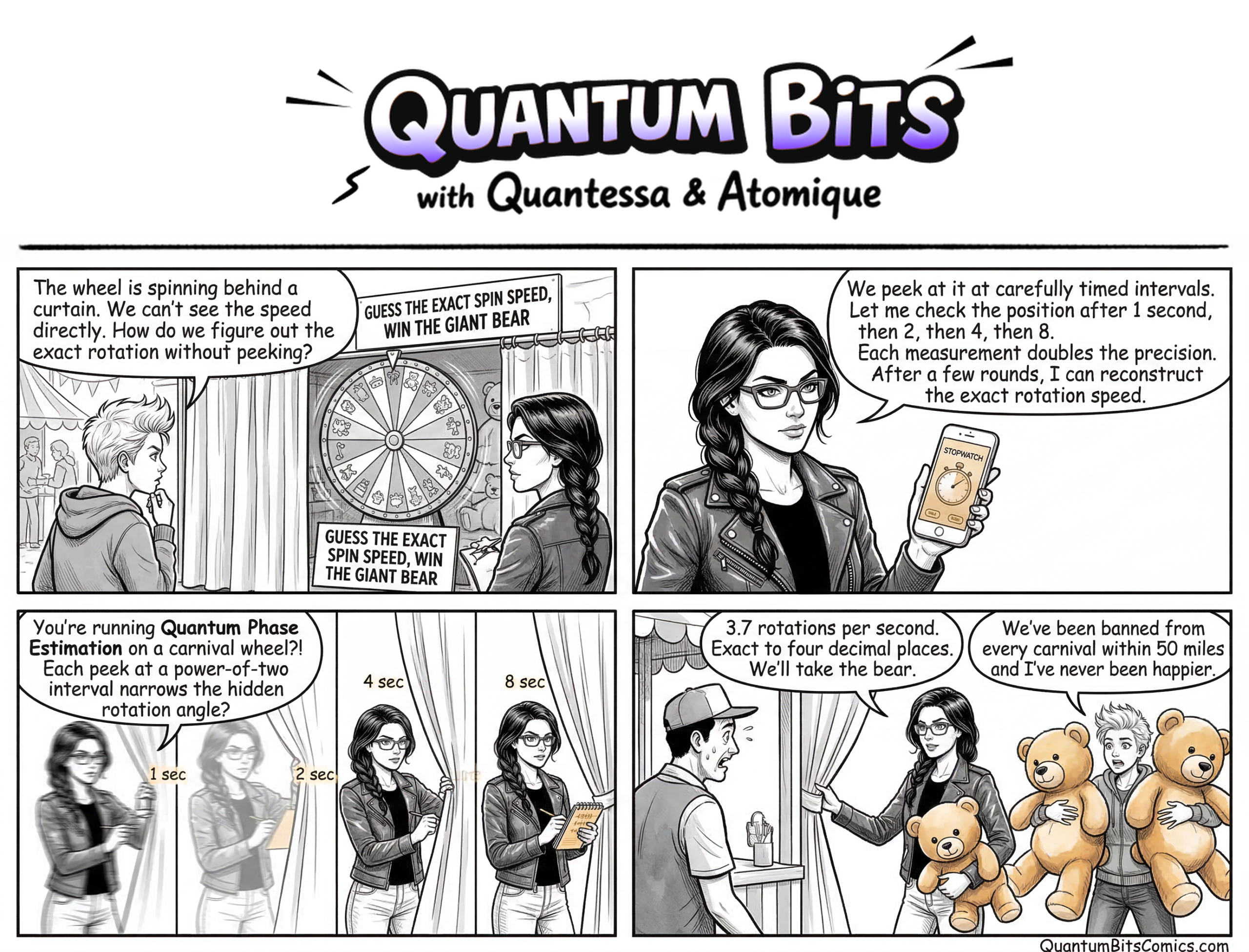
Quantum Phase Estimation (QPE) is an algorithm that extracts a hidden angle, called a phase, from a quantum operation. When certain quantum operations act on specific quantum states, they rotate those states by a characteristic angle. QPE determines what that
Read More
Hadamard Gate
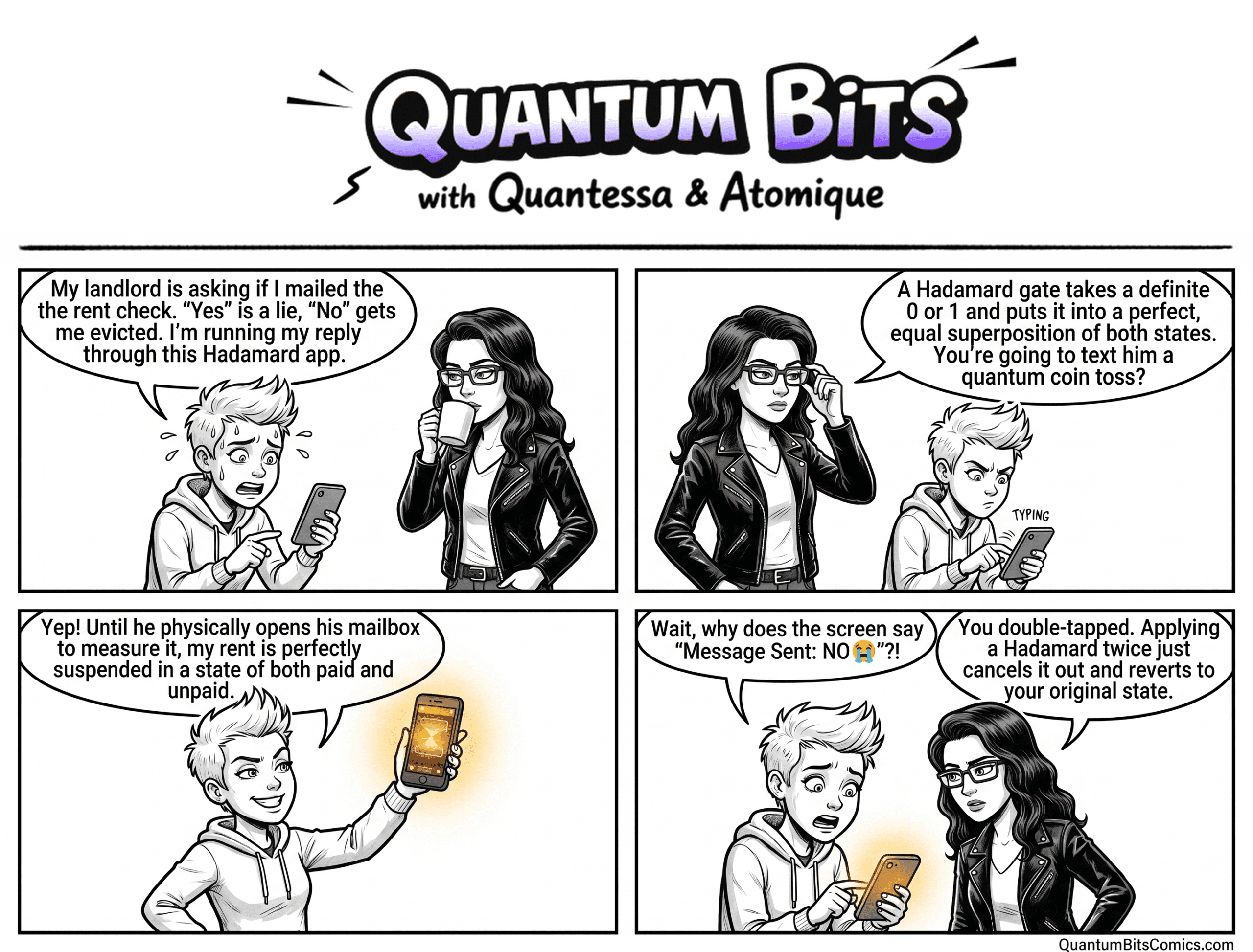
Quantum computers manipulate qubits through operations called gates, and the Hadamard is one of the most important. It is often the first operation in a quantum algorithm, and understanding it unlocks much of what follows in this book. Here is
Read More
Buy the Book