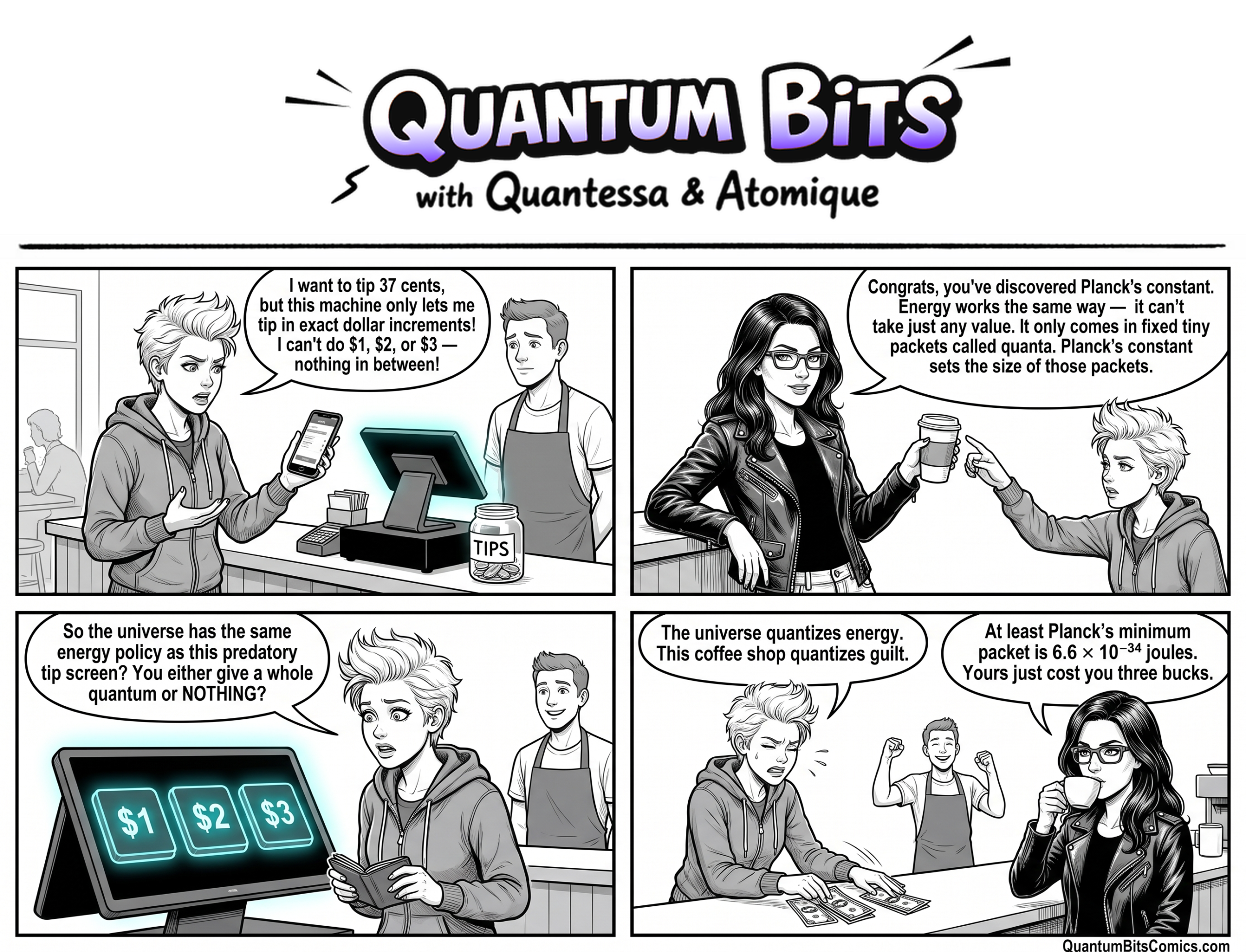
In 1900, physicist Max Planck was trying to explain how hot objects emit light. Classical physics could not reproduce the observed spectrum, so Planck introduced a radical idea: matter could emit or absorb energy only in distinct amounts linked to
Read More
Category: Uncategorized
No Cloning Theorem
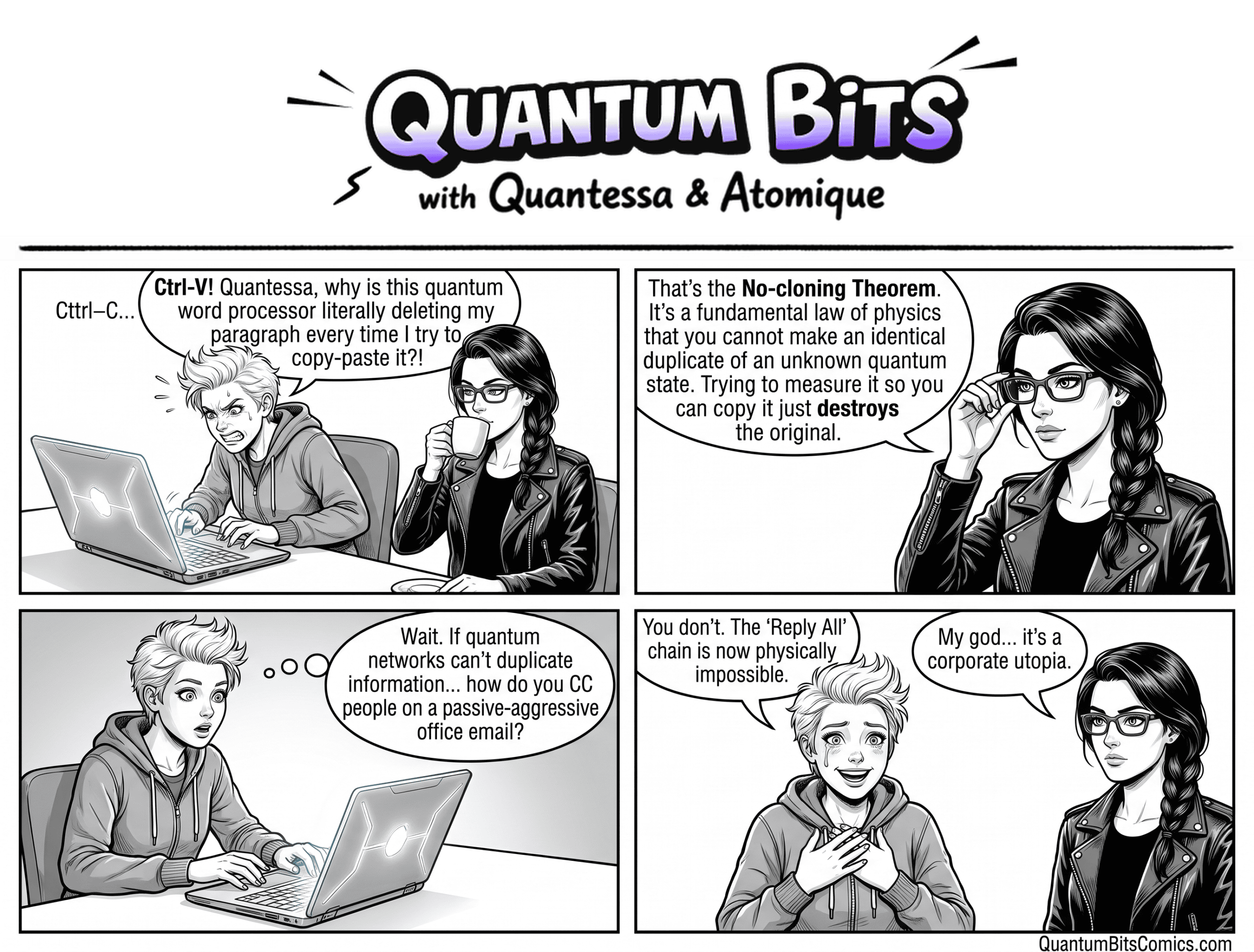
You cannot copy an unknown quantum state. This is not an engineering limitation that better technology might overcome. It is a mathematical consequence of the structure of quantum mechanics, proven by William Wootters and Wojciech Zurek in 1982. Dennis Dieks
Read More
Stabilizers
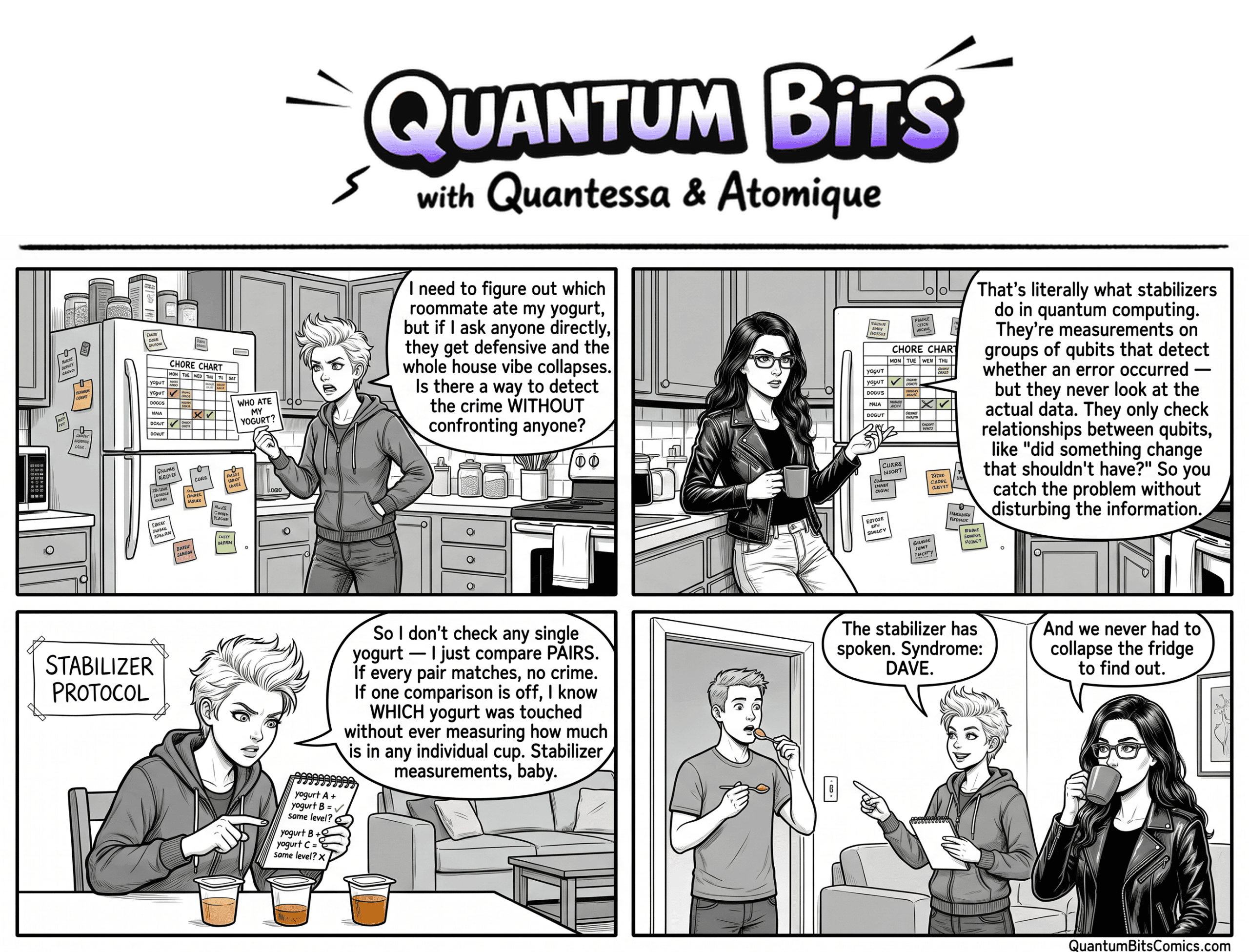
The fundamental paradox of quantum error correction is that you cannot look at your data. Measuring a quantum state forces it to collapse into classical bits, destroying any delicate superposition. Furthermore, the laws of physics forbid copying unknown quantum information
Read More
Quantum Middleware
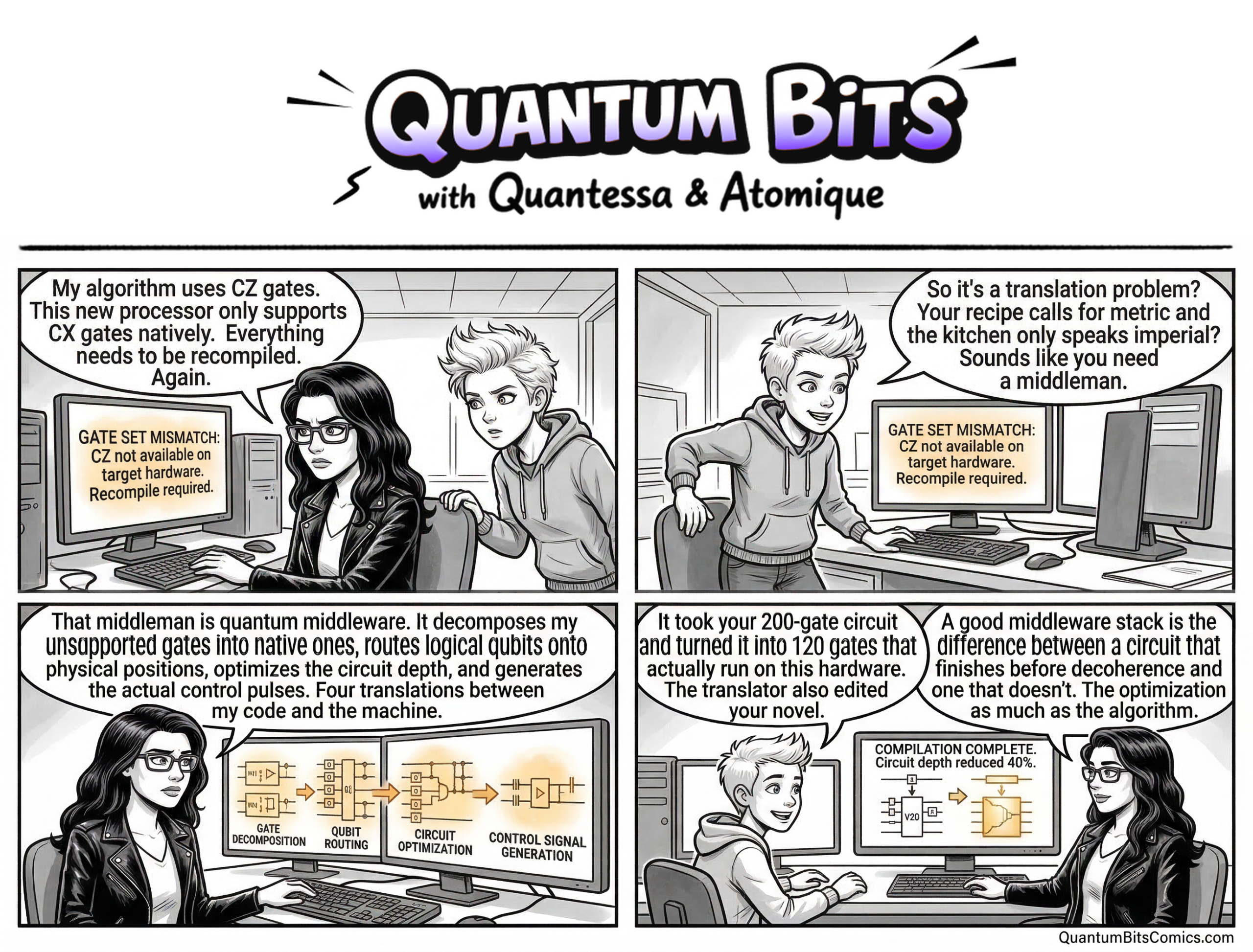
A quantum developer writing code today faces a fragmented hardware landscape. Different quantum processors support different native gate sets, different qubit connectivity, and different error characteristics. Code written for one machine may not run on another. Quantum middleware is the
Read More
Quantum Compiler
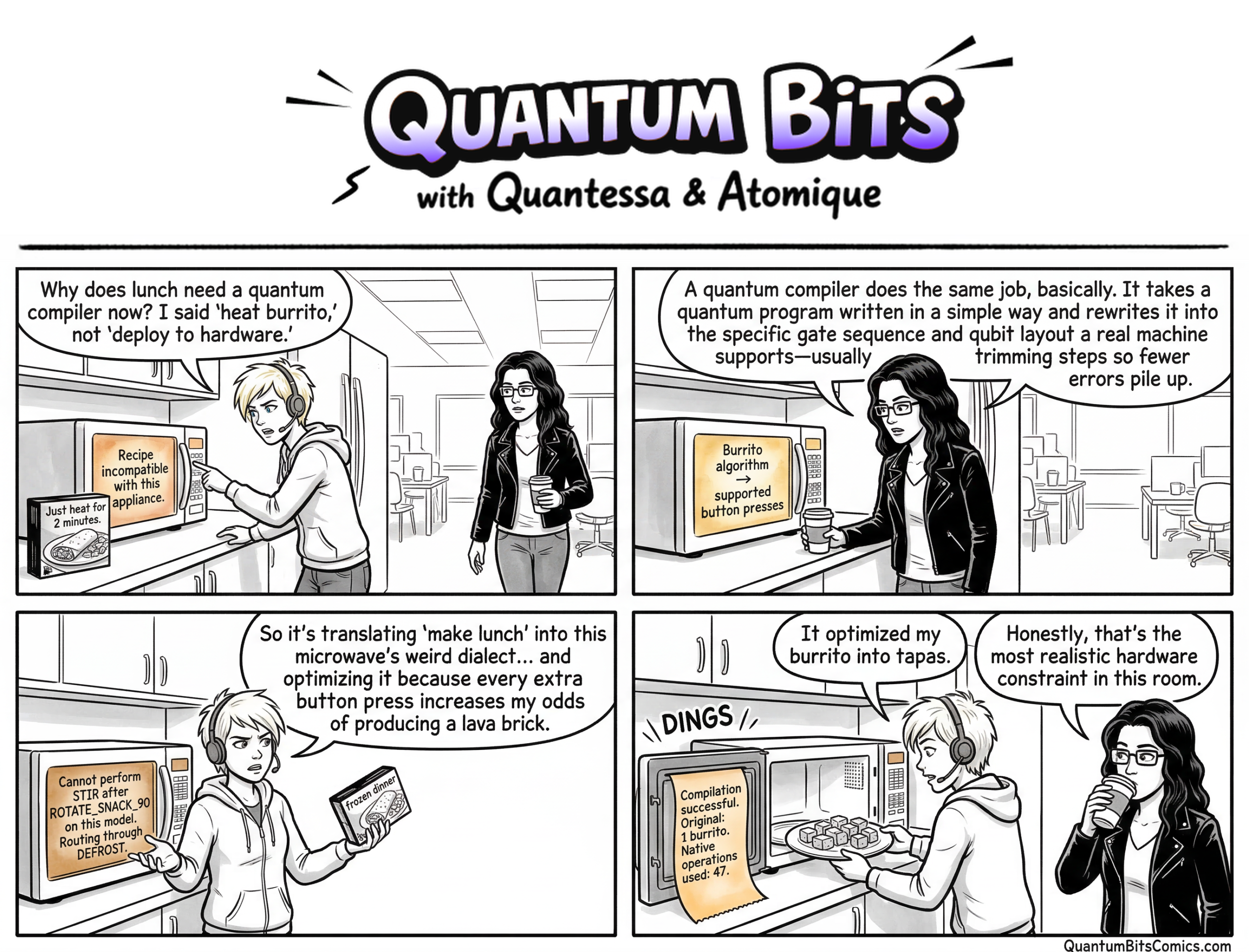
A quantum compiler translates a quantum algorithm, expressed as a sequence of abstract gates, into a form that specific quantum hardware can execute. This translation involves several steps, each addressing a different mismatch between what the algorithm assumes and what
Read More
Optical Tweezers
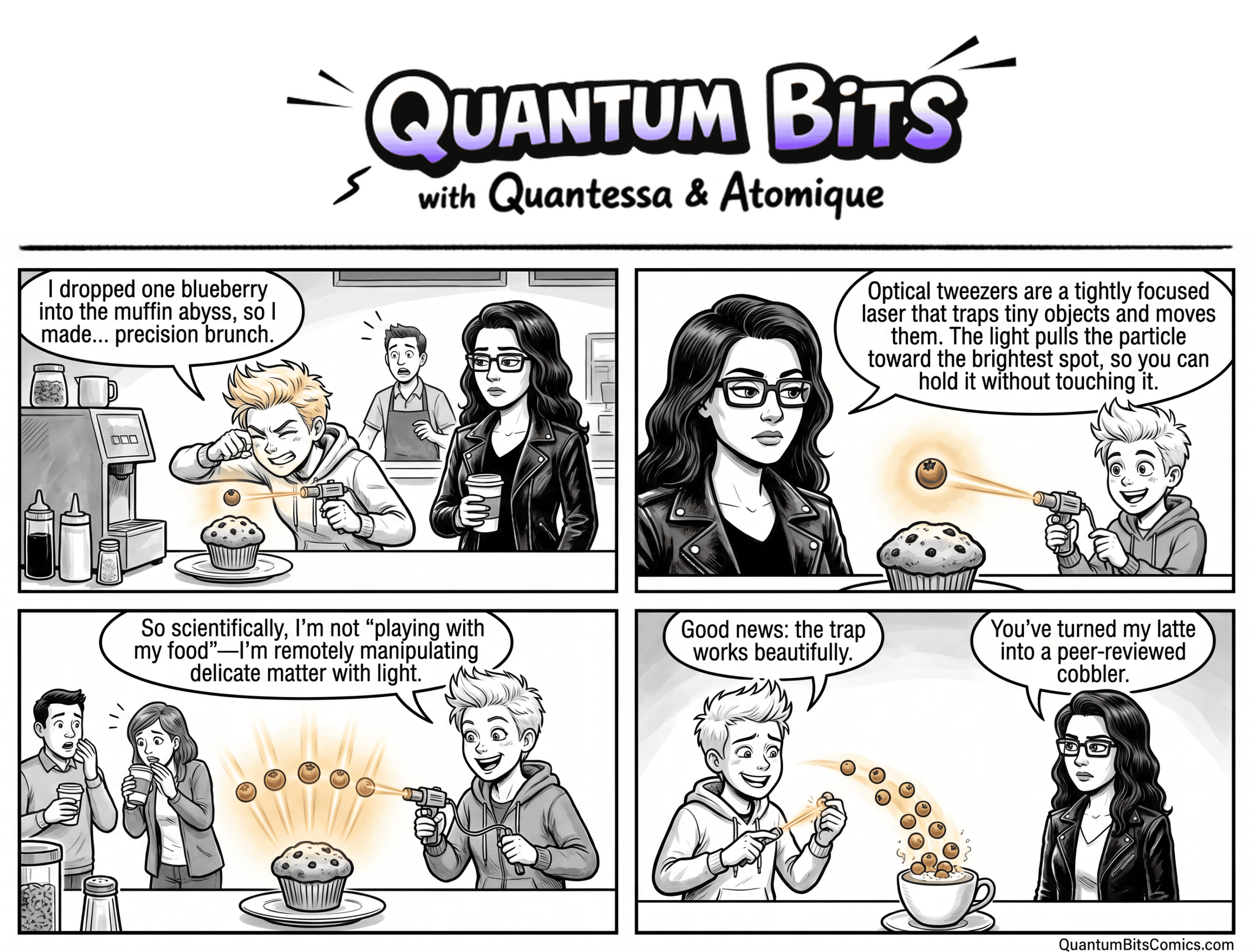
Neutral-atom quantum computers use individual uncharged atoms as qubits. Because these atoms carry no net electric charge, they do not repel each other, allowing researchers to pack large numbers of qubits into dense, configurable arrays. Individual atoms are trapped using
Read More
Bit Flips
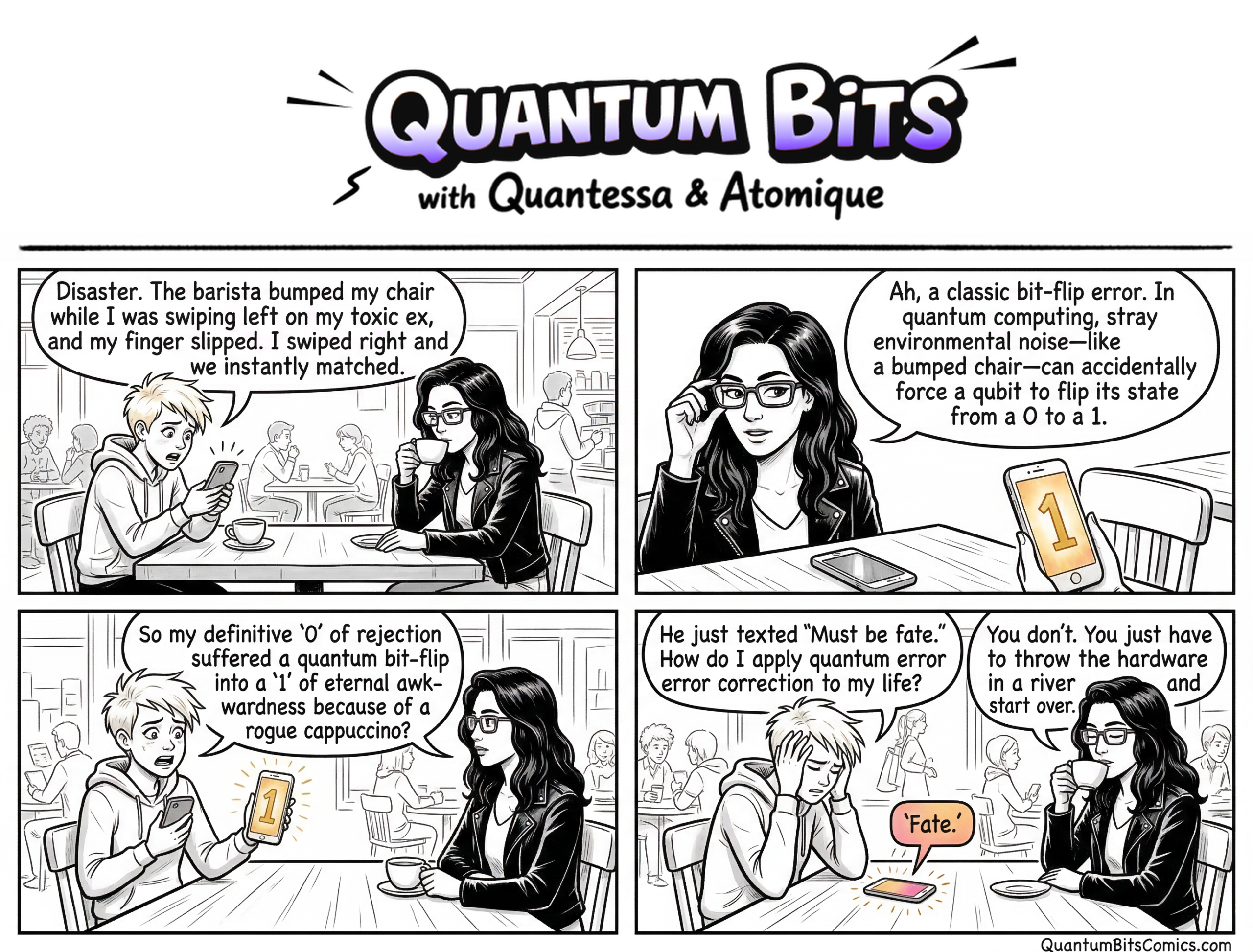
Quantum computers experience several distinct types of errors, each corrupting quantum information in a different way. A bit-flip error swaps a qubit’s state, turning |0⟩ into |1⟩ or vice versa. This is the quantum analog of a classical bit error
Read More
Deutsch Jozsa Algorithm
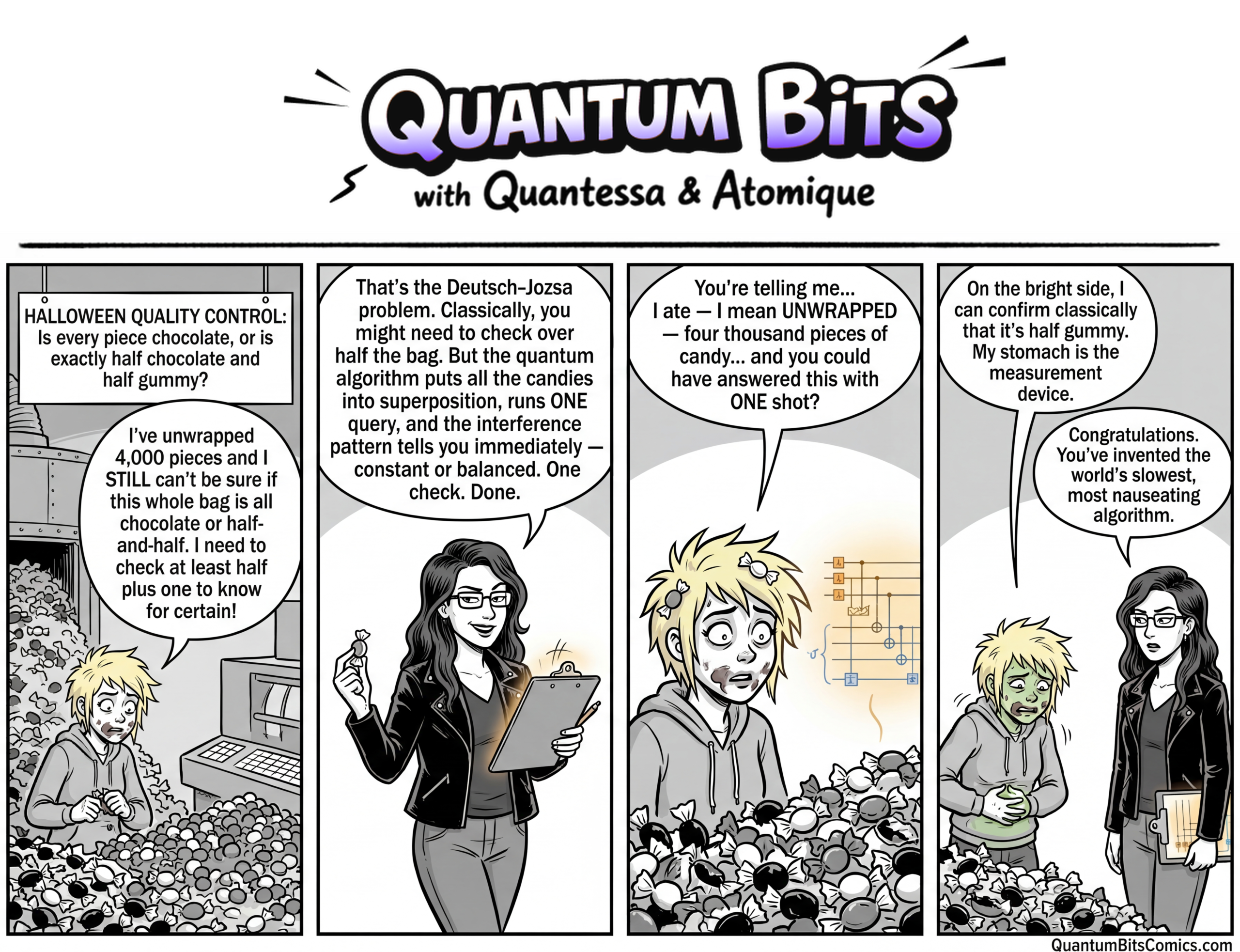
In 1992, physicists David Deutsch and Richard Jozsa posed a deceptively simple question. Imagine you have a black box containing a function that takes a string of bits as input. This function is guaranteed to be one of two types:
Read More
Controlled Not Gate
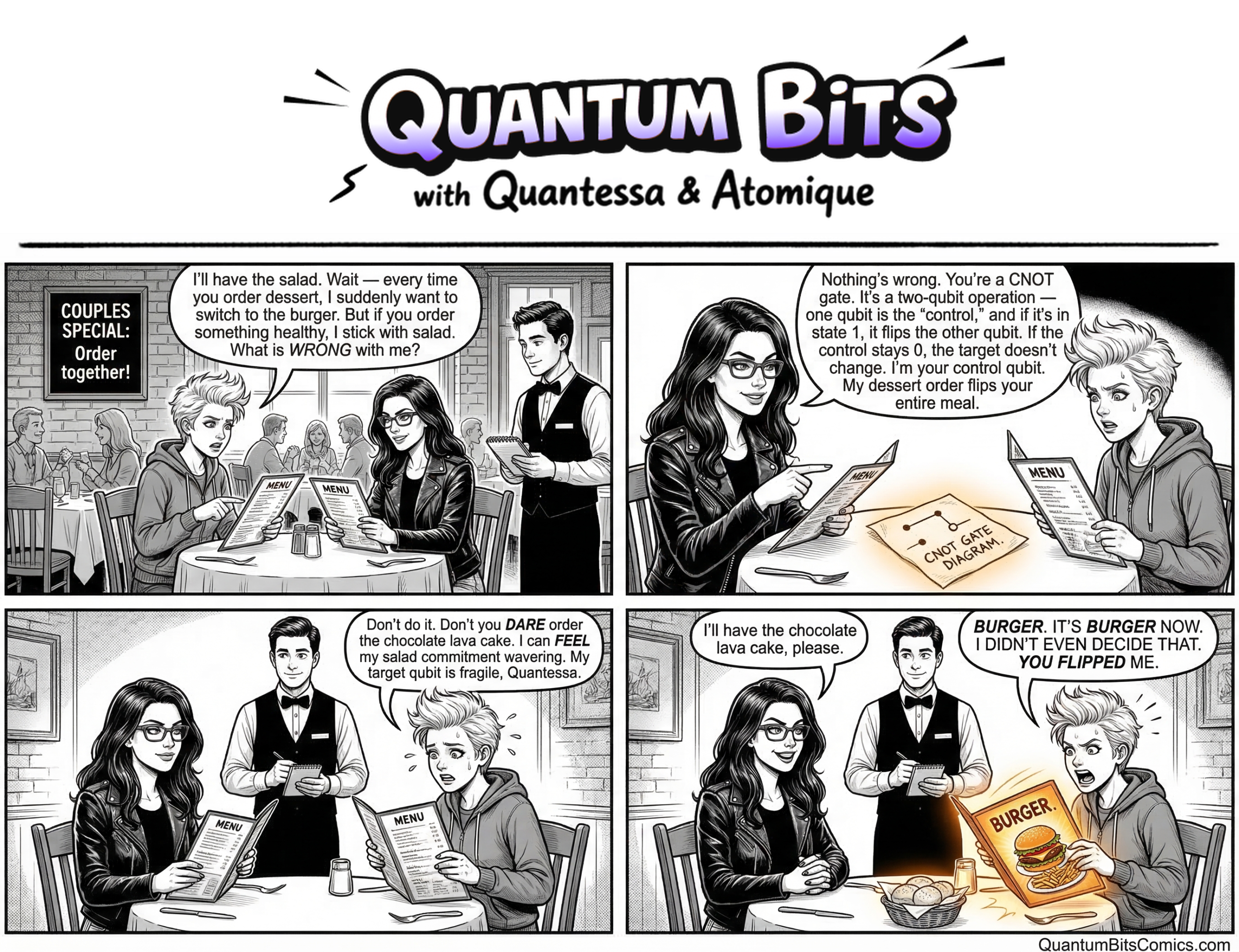
The CNOT (Controlled-NOT) gate is the standard two-qubit gate in quantum computing. It takes two qubits as input: a control qubit and a target qubit. If the control qubit is in state 1, the target qubit is flipped (0 becomes
Read More
Quantum Simulation
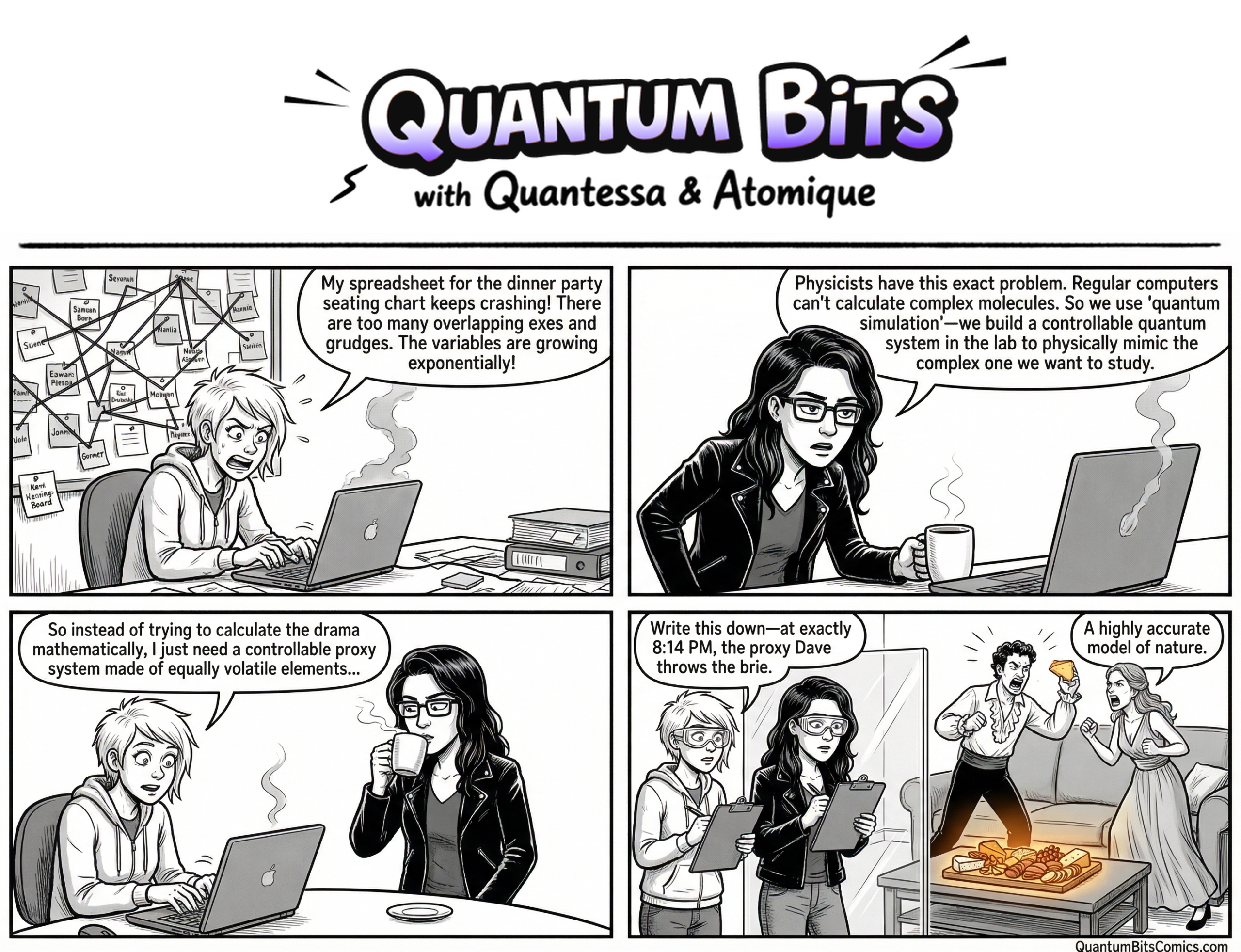
In 1981, physicist Richard Feynman pointed out a fundamental mismatch in computer science. Nature is inherently quantum mechanical, but the computers we use to model it are strictly classical. He proposed a direct solution. If you want to make an
Read More
Buy the Book