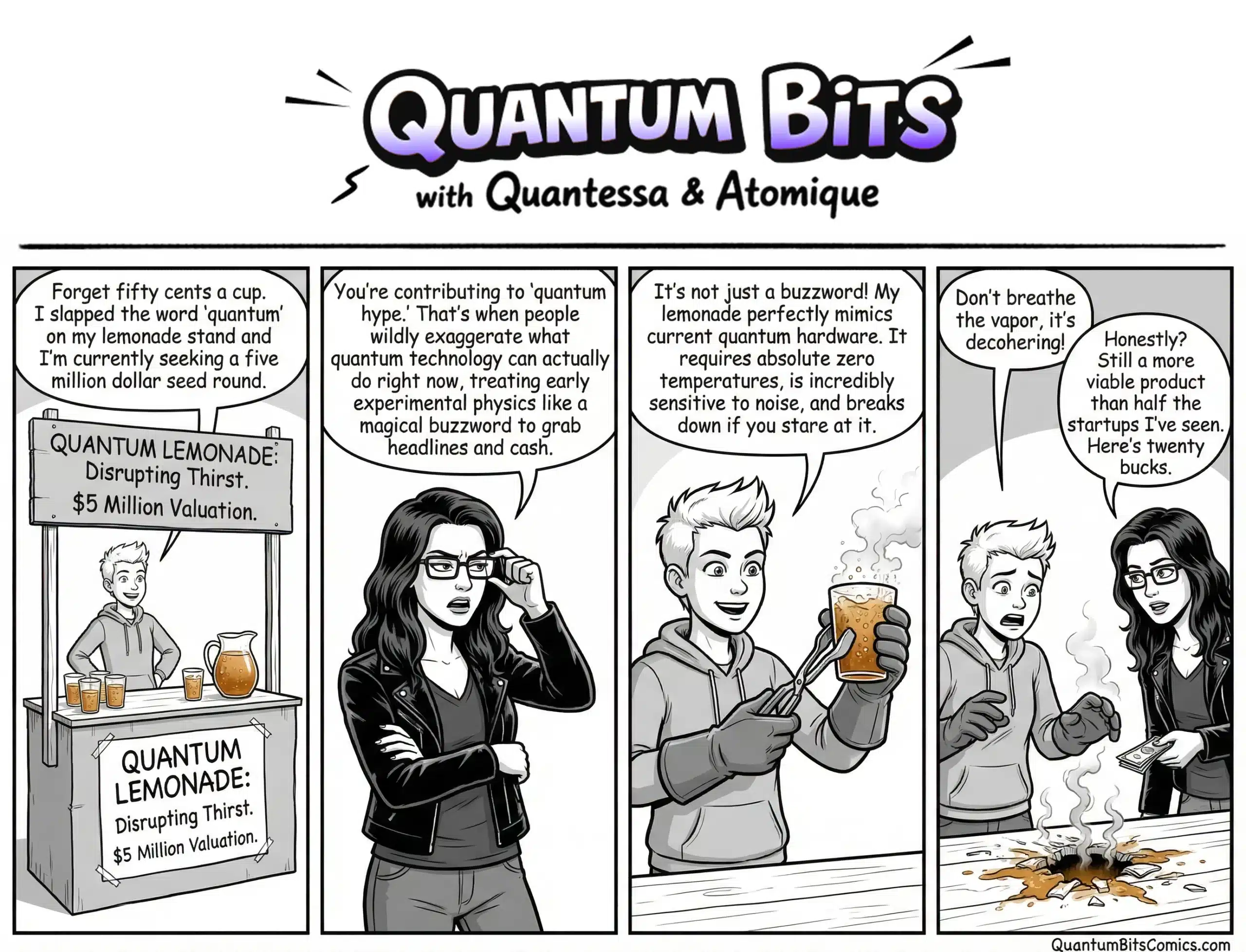
Imagine walking through an auto show and seeing a sleek, glowing concept car. The builder promises it will soon fly you to work while you sleep. That sounds amazing, but the cars actually driving outside are still running on gas and struggling with traffic. Quantum computing faces a similar gap between grand promises and daily reality. This gap is called quantum hype. You often read headlines claiming these new machines will instantly cure diseases or break all internet security tomorrow. The truth is much slower. Scientists are still struggling to build machines that can perform basic tasks without making constant errors.
Currently, these computers are incredibly sensitive. A slight change in room temperature can ruin a calculation. We do not have machines that can replace your regular laptop. Instead of a magical problem solver, a quantum computer today is more like a delicate science experiment. Researchers spend most of their time just figuring out how to keep the machine stable. Cutting through this exaggeration matters because real scientific progress requires patience. If people expect miracles by next year, they might abandon the technology when those miracles fail to arrive. By focusing on actual engineering hurdles instead of science fiction, scientists can secure the steady support they need. This long-term work might eventually help us build reliable computers to design better batteries or discover new medicines.